 Skip to content



Seafood World Pulse | 1-15 January 2026
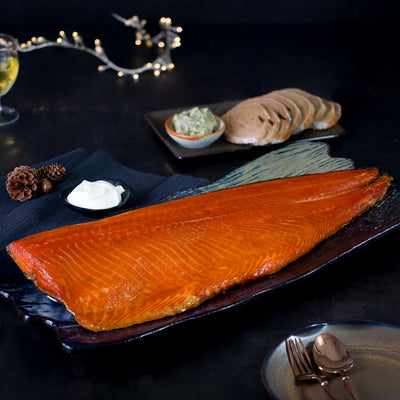
The Norwegian Seafood Council (NSC) has released its 2025–2026 statistics, confirming that Thailand remains Norway’s largest salmon export market in ASEAN. Norwegian salmon imports into Thailand reached 45,000 tonnes, marking a 6% year-on-year increase. The report also highlights that the trend of raw salmon consumption in Thailand has expanded beyond Japanese restaurants into the ready-to-eat (RTE) segment, particularly through convenience stores.
The European Fish Processors and Traders Association (AIPCE-CEP) reported that small-scale fisheries products are increasingly positioned as premium offerings in leading European retailers. More than 65% of European consumers now choose seafood products carrying carbon footprint labelling, with particularly strong demand observed in Germany and France. This shift is largely driven by stricter environmental regulations introduced in 2026.
Reuters reported that the cell-based seafood market in Europe has gained significant momentum after the European Food Safety Authority (EFSA) began its first-ever assessment of safety standards for cultivated sea bass. The move reflects growing consumer demand for animal-free protein alternatives and signals regulatory progress for the emerging sector.
Seafood Source noted that the trend “Frozen is the New Fresh” is gaining traction across Northern Europe, supported by innovations in ultra-low temperature freezing technology. These advancements are said to preserve nutritional quality at levels comparable to fresh seafood, driving an 18% increase in frozen seafood sales among Gen Z consumers, particularly due to concerns around food waste reduction.
Kasikorn Research Center analysed that Thailand’s processed seafood market is projected to reach a value of THB 150 billion in 2026, supported by exports within ASEAN, especially to Vietnam and Indonesia. Demand for products such as fish balls and premium imitation crab sticks has risen significantly, in line with rapid urbanisation across the region.
The Food and Agriculture Organization of the United Nations (FAO) stated that by 2026, aquaculture products will account for 60% of total aquatic food consumption in Asia. Consumers are increasingly prioritising organic and antibiotic-free farming standards, placing greater emphasis on production practices rather than price alone.
⊹ ࣪ ﹏𓊝﹏𓂁﹏⊹ ࣪ ˖


